
Agrovisión — agricultural innovation magazine by Excellent Nutrients
What Are Biostimulants and Why They Are Transforming Agriculture
In recent years, agricultural biostimulants have emerged as one of the most promising tools in modern crop production systems. Unlike traditional fertilizers, whose primary function is to supply essential nutrients to plants, biostimulants act by enhancing the plant’s own physiological processes and improving the efficiency with which crops use available resources.
This distinction is fundamental. While fertilizers provide the raw materials required for plant growth, biostimulants influence how plants absorb, transport and utilize those nutrients. As a result, their role is not to replace fertilization, but to complement and optimize it within a more integrated agronomic approach.
Biostimulants include a wide range of substances and microorganisms, such as seaweed extracts, amino acids, humic and fulvic acids, beneficial bacteria and fungi. Despite their diversity, they share a common objective: improving plant performance under both optimal and stressful conditions.
One of the key drivers behind the growing interest in biostimulants is the need to increase agricultural efficiency while reducing environmental impact. Modern agriculture faces the challenge of producing more with fewer resources, minimizing nutrient losses and improving sustainability.
In this context, biostimulants provide a strategic advantage. By enhancing nutrient uptake, stimulating root development and improving stress tolerance, they allow crops to perform more efficiently without necessarily increasing input levels.
As scientific research advances, the understanding of how biostimulants interact with plant physiology and soil biology continues to expand. This knowledge is shaping a new generation of agricultural practices in which plant nutrition is no longer viewed as a purely chemical process, but as a complex interaction between soil, plant and microorganisms.
Plant Physiology and Mechanisms of Action of Biostimulants
To fully understand the role of biostimulants, it is essential to consider plant physiology at a deeper level. Plant growth and development are regulated by a complex network of biochemical and hormonal processes that respond continuously to environmental conditions.
Biostimulants can influence these processes in several ways. Some compounds act by stimulating enzymatic activity, enhancing metabolic pathways related to nutrient assimilation and energy production. Others affect the synthesis of plant hormones such as auxins, cytokinins and gibberellins, which regulate root growth, cell division and overall plant development.
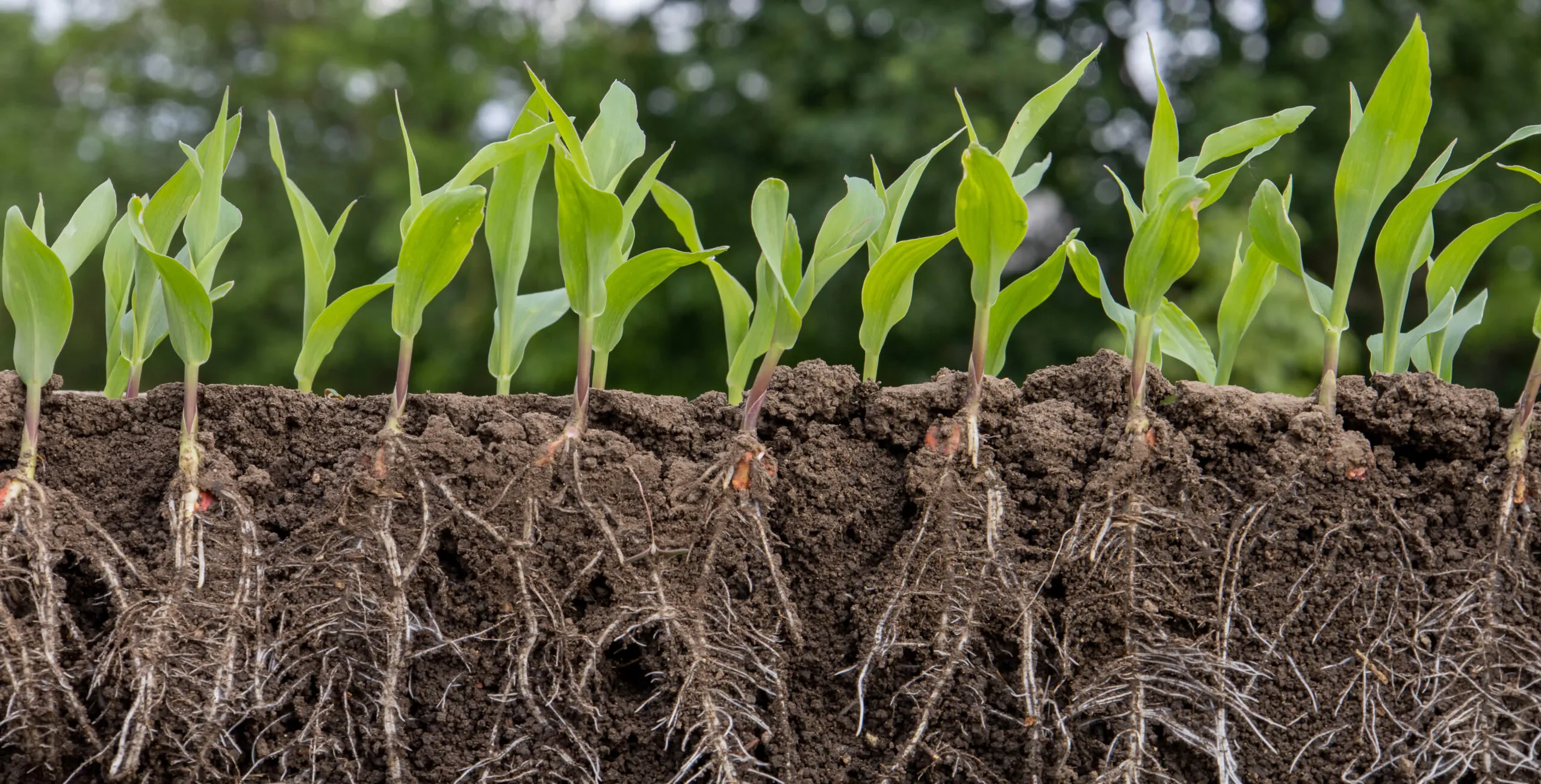
One of the most significant effects of biostimulants is their ability to promote root system expansion. A well-developed root system increases the plant’s capacity to explore the soil, access water and nutrients, and maintain stability under stress conditions.
In addition, biostimulants can improve photosynthetic efficiency by enhancing chlorophyll production and optimizing the plant’s energy metabolism. This leads to better biomass accumulation and overall crop performance.
Another important aspect is the role of biostimulants in stress physiology. Plants exposed to drought, salinity or temperature extremes often experience oxidative stress caused by the accumulation of reactive oxygen species. Certain biostimulants stimulate the production of antioxidants, helping plants mitigate cellular damage and maintain metabolic activity.
These physiological effects explain why biostimulants are increasingly integrated into advanced crop management programs. Rather than acting as simple inputs, they function as regulators of plant performance, supporting growth under a wide range of environmental conditions.
Types of Biostimulants and Their Application in Different Crops
Agricultural biostimulants do not represent a single, uniform category, but rather a diverse group of products with different origins, compositions and mechanisms of action. This diversity allows their application to be adapted to specific crop conditions, soil types and agronomic objectives.
One of the most widely used categories includes seaweed extracts, particularly those derived from species such as Ascophyllum nodosum. These extracts contain bioactive compounds that can stimulate plant growth, enhance stress tolerance and promote root development.
Another important group consists of amino acids and peptides, which act as metabolic precursors and can support protein synthesis and enzymatic activity within the plant. Under stress conditions, such as extreme temperatures or water deficit, amino acid-based products can help maintain metabolic balance.
Humic and fulvic acids, derived from organic matter decomposition, also play a significant role. These compounds improve soil structure, increase cation exchange capacity and enhance nutrient availability in the root zone.
In recent years, microbial biostimulants have gained increasing attention. Products based on beneficial bacteria and fungi can improve nutrient uptake and strengthen plant–soil interactions.
Biostimulants can be applied through different methods, including fertigation, foliar sprays and seed treatments. The choice of application depends on the crop, environmental conditions and specific agronomic goals.
In practical agriculture, the effectiveness of biostimulants depends not only on their composition, but also on the timing and strategy of application. Different crops respond in different ways depending on their physiology, developmental stage and environmental conditions. For this reason, the use of biostimulants must be understood as part of a broader crop management program rather than as an isolated intervention.
In horticultural crops, for example, biostimulants are often used to promote early root establishment, improve vegetative vigor and support flowering and fruit set. In cereal production, their application may be oriented toward improving nutrient use efficiency and enhancing tolerance to drought or temperature fluctuations. In perennial crops such as vineyards, olive trees or fruit orchards, biostimulants are increasingly integrated into programs designed to support plant recovery after stress periods and improve seasonal balance between vegetative growth and production.
Application methods also influence results. Foliar application can be especially useful when the objective is to stimulate metabolic activity rapidly or to support crops during specific physiological stages. Root-zone application, on the other hand, may provide a more direct effect on rhizosphere activity and root development, particularly in systems where soil biology is an essential component of crop performance.
Another important aspect is compatibility with other agricultural inputs. In advanced crop nutrition programs, biostimulants are often combined with mineral fertilization, organic amendments or microbial inoculants. This integrated approach allows growers to design more complete strategies adapted to the real needs of the crop. The objective is not simply to stimulate plant growth, but to improve overall efficiency at the system level.
As agricultural knowledge evolves, growers increasingly recognize that plant performance cannot be explained by nutrient supply alone. Crop behavior is influenced by a network of interactions involving metabolism, soil conditions, microbial communities and environmental stress. Biostimulants are becoming increasingly relevant because they operate precisely within this network, helping crops perform better in a more complex and variable agricultural environment.
Soil Microbiology and Biostimulants of Biological Origin
Soil microbiology is one of the most important factors influencing plant nutrition and crop performance. A biologically active soil contains a complex network of microorganisms that interact with plant roots and contribute to nutrient cycling.
Beneficial bacteria and fungi can transform nutrients into forms that are more easily absorbed by plants. They also contribute to improving soil structure, enhancing aeration and increasing water retention capacity.
Microbial biostimulants aim to support and enhance these natural processes. By introducing or stimulating beneficial microorganisms, it is possible to improve soil fertility and promote a more balanced and resilient ecosystem.
These interactions are particularly relevant in intensive agricultural systems, where soil biological activity may be reduced due to continuous cultivation and high input use.
The rhizosphere is one of the most biologically active environments in agriculture. Within this narrow zone surrounding the roots, plants and microorganisms establish highly dynamic relationships based on chemical signaling and nutrient exchange. Plant roots release exudates such as sugars, amino acids and organic acids, which serve as substrates for microbial growth. In return, many microorganisms provide benefits that directly influence nutrient availability and plant development.
Among the most relevant organisms in this context are plant growth-promoting rhizobacteria and mycorrhizal fungi. These microorganisms contribute to nutrient cycling, stimulate root growth and may also improve plant resilience against unfavorable conditions. Their activity is especially important in soils where nutrient mobility is limited or where environmental stress restricts crop performance.
Microbial biostimulants are designed to reinforce these biological processes. Rather than supplying nutrients directly, they support the natural capacity of the soil–plant system to function more efficiently. This is particularly relevant in modern agriculture, where improving nutrient use efficiency has become a priority from both an economic and environmental perspective.
A biologically active soil can improve not only nutrient availability, but also soil aggregation, porosity and water dynamics. These factors influence root penetration, oxygen availability and the general stability of the rhizosphere. In many cases, soil health depends as much on biological activity as on chemical fertility.
As a result, the concept of plant nutrition is expanding. It is no longer limited to the application of mineral inputs, but increasingly includes the management of biological processes that determine how effectively crops can use the resources available to them. This broader agronomic view is one of the reasons why biological-origin biostimulants are gaining importance in advanced crop production systems.
Biostimulants and Plant Stress Resistance
One of the most valuable functions of biostimulants is their ability to enhance plant tolerance to stress conditions. Crops are frequently exposed to environmental factors such as drought, salinity, extreme temperatures and nutrient imbalances.
Biostimulants can help plants cope with these conditions by modulating physiological responses. Some compounds stimulate the production of antioxidants, while others influence hormonal balance and stress-related metabolic pathways.
Improved water use efficiency, better osmotic regulation and enhanced cellular protection are among the mechanisms through which biostimulants contribute to stress resilience.
This capacity to support plant performance under adverse conditions makes biostimulants an essential tool in modern agriculture, particularly in the context of climate variability.
Stress tolerance has become one of the most important areas in crop management because modern agriculture operates under increasingly unstable environmental conditions. Water scarcity, irregular rainfall patterns, salinity problems and heat waves can all reduce plant performance even when standard fertilization programs are technically correct.
Under these conditions, plants must allocate energy to defense and adaptation processes. This often leads to reduced growth, lower photosynthetic activity and less efficient nutrient assimilation. Biostimulants can help mitigate these effects by supporting the metabolic pathways involved in stress response.
Some compounds contribute to osmotic adjustment, allowing plants to maintain cellular balance under drought or salinity stress. Others support membrane stability and antioxidant protection, reducing oxidative damage caused by adverse conditions. In practical terms, this means that the plant may maintain a greater proportion of its physiological activity even during unfavorable periods.
This does not mean that biostimulants eliminate stress, but rather that they can improve the plant’s ability to cope with it. Their value lies in supporting physiological resilience and helping crops recover more effectively once normal conditions return. In production systems increasingly affected by climatic variability, this role is becoming more relevant every season.
Interaction Between Biostimulants and Mineral Fertilization
The integration of biostimulants into mineral fertilization programs represents one of the most advanced approaches in modern crop nutrition. Rather than acting independently, biostimulants are most effective when combined strategically with traditional fertilizers.
While mineral fertilizers supply essential nutrients such as nitrogen, phosphorus and potassium, a significant proportion of these inputs may be lost through leaching, volatilization or chemical fixation in the soil.
Biostimulants can improve nutrient use efficiency by enhancing root development and stimulating nutrient uptake mechanisms at the cellular level. Some compounds facilitate the activation of membrane transporters, allowing plants to absorb nutrients more effectively.
In the case of phosphorus, certain microorganisms and organic compounds can increase its availability by solubilizing forms that would otherwise remain inaccessible.
This integrated approach contributes not only to improved crop performance, but also to reduced environmental impact through more efficient use of inputs.
Another important factor behind the growth of the biostimulant sector is the increasing demand for agricultural solutions that can combine productivity with environmental responsibility. In many regions, farmers are under pressure to reduce nutrient losses, improve water efficiency and maintain soil fertility over the long term. Biostimulants fit naturally into this context because they support the crop’s internal efficiency rather than relying only on increasing external inputs.
The future of this field will likely depend on the ability to link scientific research with practical agronomic application. Advances in plant physiology, microbiology and biotechnology are making it possible to develop more precise products with better-defined modes of action. At the same time, the adoption of precision agriculture tools may allow these products to be used more strategically, according to crop stage, environmental stress and soil conditions.
This evolution reflects a broader transformation in agriculture. The focus is shifting from maximizing short-term input intensity toward improving the biological and physiological efficiency of the production system. In that transition, biostimulants are becoming an increasingly important part of the conversation around innovation, sustainability and the future of crop nutrition.
Sustainability, Innovation and the Future of Agricultural Biostimulants
The development of biostimulants is closely linked to the broader transition toward more sustainable agricultural systems. As global food demand continues to grow, improving resource efficiency becomes a critical objective.
Biostimulants contribute to this goal by enhancing nutrient use efficiency, reducing input requirements and supporting plant health under challenging conditions. Their integration into crop management strategies represents a shift toward a more holistic understanding of plant nutrition.
Advances in biotechnology, soil science and plant physiology are driving innovation in this field. New formulations and application methods are being developed to maximize the effectiveness of biostimulants under different conditions.
In the future, the combination of biological inputs, precision agriculture technologies and data-driven decision-making will likely define the next generation of crop production systems.
From Agrovisión — agricultural innovation magazine by Excellent Nutrients, we will continue to explore these developments, providing insights into how science and technology are shaping the future of plant nutrition and sustainable agriculture.