
Cannabis Vanguard — innovation & science by Excellent Nutrients
The cannabis industry has evolved rapidly in recent years, shifting from a cultivation-focused approach toward a more comprehensive understanding of the entire production chain. While genetics, nutrition, and cultivation techniques are essential, the post-harvest phase has become one of the most critical factors in determining final product quality, potency, and market value.
Post-harvest management in cannabis includes processes such as drying, curing, trimming, and storage, all of which directly influence the preservation of cannabinoids, terpenes, and overall flower integrity. Improper handling during this stage can lead to significant losses in aroma, potency, and commercial value, even if the crop was cultivated under optimal conditions.
One of the main challenges during post-harvest is maintaining the stability of cannabinoids, particularly tetrahydrocannabinol (THC) and cannabidiol (CBD). These compounds are highly sensitive to environmental factors such as temperature, light, and oxygen exposure. Degradation processes, including oxidation and decarboxylation, can alter cannabinoid profiles, reducing product consistency and effectiveness.
Equally important are terpenes, the aromatic compounds responsible for the unique flavor and sensory profile of cannabis. Terpenes are highly volatile and can easily be lost during improper drying or storage conditions. Their preservation is essential not only for product quality but also for the entourage effect, where cannabinoids and terpenes interact synergistically to enhance therapeutic and sensory properties.
The drying process represents a critical control point. It must be carefully managed to ensure a gradual reduction of moisture without damaging plant compounds. Ideal conditions typically involve controlled temperature, relative humidity, and airflow, allowing for a slow and uniform drying process that preserves both chemical composition and structural integrity.
Following drying, the curing phase plays a key role in stabilizing the product. During curing, residual moisture within the flower is redistributed, enzymatic processes continue, and chlorophyll degradation improves flavor and smoothness. Proper curing enhances terpene expression and overall product quality, making it a fundamental step in premium cannabis production.
Additionally, modern post-harvest practices are increasingly incorporating controlled environment systems and data monitoring technologies. These tools allow producers to maintain optimal conditions throughout the process, ensuring consistency and reducing variability between batches.
From a commercial perspective, post-harvest quality directly impacts product positioning in the market. High-quality cannabis with well-preserved terpene profiles and stable cannabinoid content commands higher prices and meets the expectations of increasingly demanding consumers.
In conclusion, post-harvest management is no longer a secondary consideration but a strategic phase in cannabis production. Its proper execution determines whether a crop reaches its full potential or loses value before reaching the market.
Drying and curing optimization: environmental control and critical factors
The success of post-harvest cannabis processing depends largely on the precise control of environmental conditions during drying and curing. These stages are not merely passive processes but highly sensitive phases where chemical, physical, and biochemical transformations continue to shape the final product.
Drying is the first and most delicate step. Its objective is to reduce the moisture content of the plant material in a controlled manner, preventing microbial growth while preserving cannabinoids and terpenes. Rapid or uncontrolled drying can lead to terpene volatilization, cannabinoid degradation, and structural damage to the flowers, significantly lowering product quality.
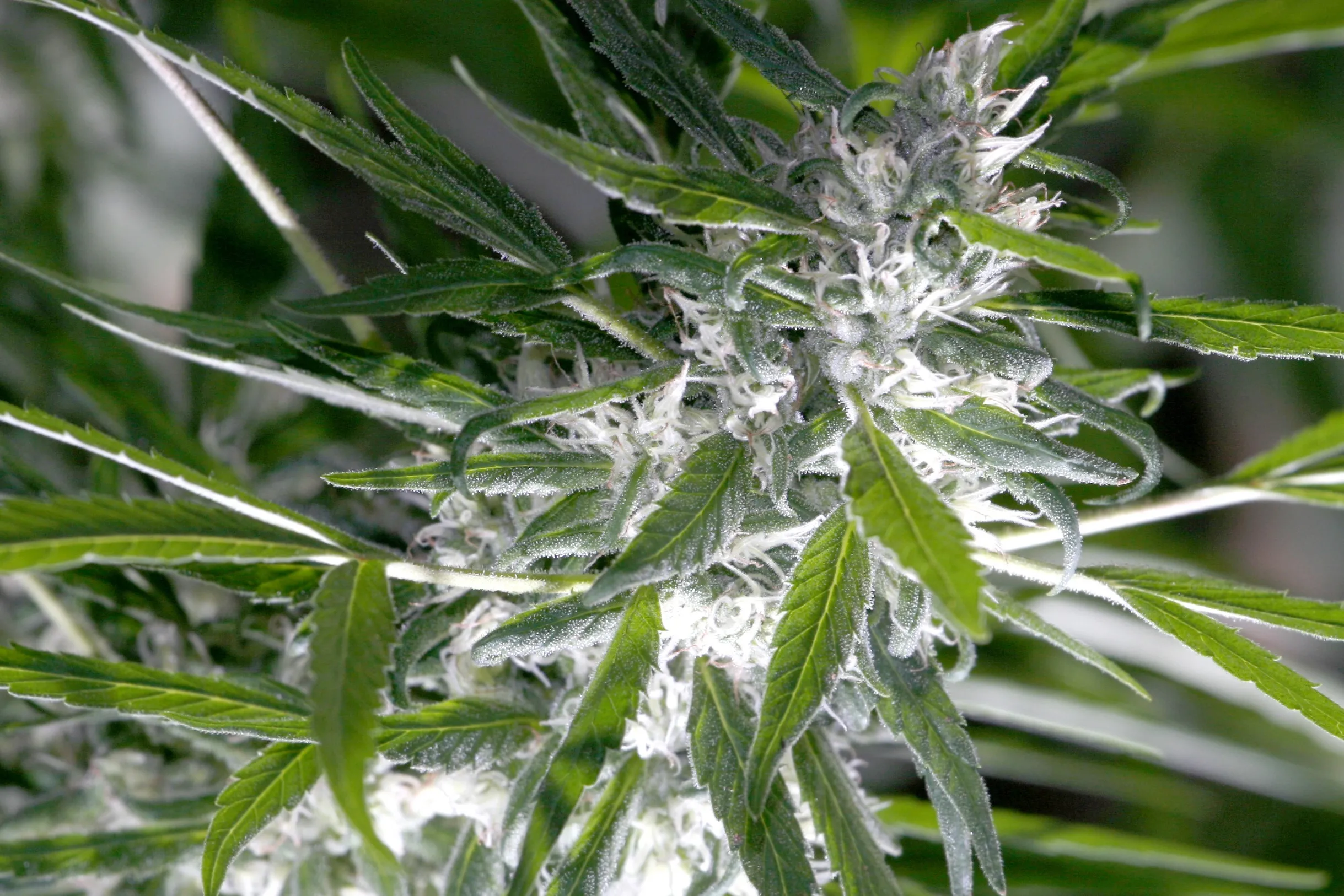
Optimal drying conditions generally involve temperatures between 15–20°C (59–68°F) and relative humidity levels around 50–60%, combined with consistent but gentle airflow. This environment allows for a gradual moisture reduction, maintaining the integrity of trichomes—the resin glands where cannabinoids and terpenes are concentrated.
One of the most common mistakes in cannabis post-harvest is excessive heat or low humidity, which accelerates drying but causes irreversible losses in aromatic compounds. Terpenes such as myrcene, limonene, and pinene are particularly sensitive and can evaporate quickly under suboptimal conditions, directly impacting the sensory profile of the final product.
Following the drying phase, curing becomes essential for achieving premium quality. Curing is a controlled aging process where internal moisture redistribution, enzymatic activity, and slow biochemical transformations take place. During this phase, chlorophyll breaks down, resulting in smoother smoke, improved flavor, and enhanced terpene expression.
Curing is typically performed in airtight containers under controlled humidity conditions, often maintained between 58–62% relative humidity. This range allows for continued biochemical activity without promoting mold development. The process can last from several weeks to several months, depending on the desired product quality and market positioning.
Proper curing not only improves sensory characteristics but also contributes to the stabilization of cannabinoids, ensuring product consistency over time. This is particularly important in regulated markets, where potency and composition must remain within defined parameters.
Another critical factor is oxygen exposure. While minimal oxygen exchange is necessary during curing to prevent anaerobic conditions, excessive exposure can lead to oxidation, degrading cannabinoids such as THC into less active compounds like CBN. This directly affects both potency and shelf life.
Modern cannabis operations are increasingly adopting environmental control technologies, including automated drying rooms, humidity control systems, and real-time monitoring tools. These systems provide precise regulation of temperature, humidity, and airflow, reducing human error and ensuring consistent product quality across batches.
From an operational standpoint, standardizing post-harvest protocols is essential. Variability during drying and curing can lead to inconsistencies that affect brand reputation and market competitiveness.
In summary, drying and curing are not simply finishing steps, but critical processes that define the final quality of cannabis products. Mastery of these stages is essential for producers aiming to achieve premium-grade results in an increasingly competitive industry.
Chemical preservation and storage strategies: ensuring stability and market quality
Beyond drying and curing, the long-term preservation of cannabis quality depends on advanced storage strategies designed to protect the chemical integrity of cannabinoids and terpenes. At this stage, even minor variations in environmental conditions can significantly impact product stability, shelf life, and commercial value.
Cannabinoids are chemically sensitive compounds that can degrade over time due to light exposure, oxygen, temperature fluctuations, and humidity imbalances. One of the most critical degradation pathways is the oxidation of tetrahydrocannabinol (THC) into cannabinol (CBN), a process that reduces psychoactive potency and alters the product profile.
To minimize these effects, cannabis must be stored under controlled conditions, typically involving low temperatures, stable humidity, and protection from ultraviolet (UV) light. Storage environments between 15–18°C (59–64°F) and relative humidity levels of 55–60% are generally considered optimal for maintaining product integrity.
Terpenes, on the other hand, present an even greater challenge due to their high volatility and susceptibility to evaporation. These compounds are responsible for the aromatic complexity and play a key role in defining product differentiation in the market. Poor storage conditions can result in terpene loss, leading to diminished flavor, reduced consumer appeal, and lower market value.
Packaging solutions have become a strategic component in post-harvest cannabis management. The use of airtight, UV-resistant containers, combined with humidity control systems, helps create a stable microenvironment that protects the product from external factors. Advanced packaging technologies, including inert gas flushing and vacuum sealing, are increasingly used in high-end markets to extend shelf life and preserve quality.
Another key factor is product handling and logistics. Movement, compression, and excessive manipulation can damage trichomes, which contain the highest concentration of cannabinoids and terpenes. Maintaining structural integrity during transport and storage is essential for preserving both potency and visual quality.
From a commercial perspective, consistency is critical. Consumers expect uniformity in aroma, potency, and overall experience. Variability caused by poor storage practices can negatively affect brand reputation and reduce customer loyalty. As a result, many producers are implementing standardized quality control protocols, including batch testing and environmental monitoring throughout the storage phase.
In regulated markets, compliance with quality and safety standards is also essential. This includes maintaining cannabinoid levels within specified limits, preventing contamination, and ensuring traceability throughout the supply chain. Proper storage practices are fundamental to meeting these requirements.
Additionally, the concept of shelf-life optimization is gaining importance. Producers must balance the need for long-term storage with the preservation of peak product quality. This involves understanding the degradation kinetics of cannabinoids and terpenes and applying strategies that minimize losses over time.
In conclusion, effective storage and chemical preservation strategies are essential for maintaining the quality, stability, and market competitiveness of cannabis products. This phase represents the final step in protecting the value generated throughout the entire cultivation process.
The future of post-harvest cannabis: innovation, standardization, and premium quality
As the cannabis industry continues to mature, post-harvest processes are becoming increasingly sophisticated, evolving from basic handling techniques into highly controlled and technologically advanced operations. The future of cannabis production will not be defined solely by cultivation practices, but by the ability to consistently preserve and enhance product quality after harvest.
One of the most significant trends shaping this evolution is the standardization of post-harvest protocols. As markets become more regulated and competitive, producers must ensure consistency across batches in terms of cannabinoid content, terpene profile, and overall product quality. This requires the implementation of strict process controls, data tracking, and quality assurance systems throughout the post-harvest phase.
In this context, automation and environmental control technologies are playing a crucial role. Advanced drying rooms, climate-controlled curing systems, and real-time monitoring platforms allow producers to maintain precise conditions at every stage. These technologies reduce variability, minimize human error, and improve scalability, enabling operations to meet both quality standards and market demand.
Another key area of innovation is post-harvest analytics. Laboratory testing and chemical profiling are becoming essential tools for understanding how different variables—such as drying speed, curing duration, and storage conditions—affect the final product. This data-driven approach allows producers to refine their processes and optimize outcomes with greater accuracy.
The development of new packaging technologies is also transforming the industry. Solutions designed to preserve terpene content, prevent oxidation, and extend shelf life are gaining traction, particularly in premium markets. Modified atmosphere packaging (MAP), inert gas flushing, and advanced barrier materials are examples of innovations that enhance product stability during storage and distribution.
Sustainability is another factor influencing the future of post-harvest cannabis. Energy-efficient drying systems, reduced waste practices, and environmentally friendly packaging solutions are becoming increasingly important as the industry seeks to align with global sustainability goals. Producers who adopt these practices will not only reduce their environmental footprint but also strengthen their market positioning.
In addition to environmental control and standardization, the implementation of advanced quality grading systems is becoming increasingly important in post-harvest cannabis operations. These systems combine visual inspection, chemical analysis, and digital classification technologies to accurately assess flower quality based on parameters such as trichome density, terpene intensity, moisture content, and structural integrity.
Artificial intelligence and machine vision are now being integrated into sorting and grading processes, allowing producers to achieve high levels of consistency and objectivity. This not only improves operational efficiency but also ensures that products meet specific market categories, from premium-grade flowers to extraction-grade material.
Furthermore, the traceability of post-harvest processes is gaining relevance in regulated markets. The ability to track each batch from harvest through drying, curing, and storage provides valuable data for quality assurance, regulatory compliance, and continuous improvement. This transparency strengthens consumer trust and enhances brand positioning.
As the industry continues to evolve, the combination of automation, data analysis, and quality control systems will redefine post-harvest management, transforming it into a fully optimized and technology-driven phase within the cannabis production chain.
From a consumer perspective, expectations are higher than ever. Today’s cannabis market demands products that deliver consistent potency, rich terpene profiles, and a high-quality sensory experience. This has elevated post-harvest management from a technical necessity to a strategic differentiator in brand development.
Looking ahead, the integration of science, technology, and process optimization will define the next generation of cannabis production systems. Producers who invest in advanced post-harvest strategies will be better positioned to deliver premium products, maintain competitive advantage, and adapt to evolving market requirements.
Ultimately, post-harvest is not the end of the production cycle—it is the stage where the true value of the crop is either preserved or lost. Mastering this phase is essential for unlocking the full potential of cannabis as both a commercial product and a scientifically refined agricultural commodity.
From Cannabis Vanguard — innovation & science by Excellent Nutrients, we will continue exploring how technology, science, and advanced cultivation practices are shaping the future of cannabis production and quality.