
Cannabis Vanguard – innovation & science by Excellent Nutrients
Introduction: why extraction matters to the professional grower
Cannabis extraction and concentrates represent a growing and increasingly profitable part of the professional cannabis market.
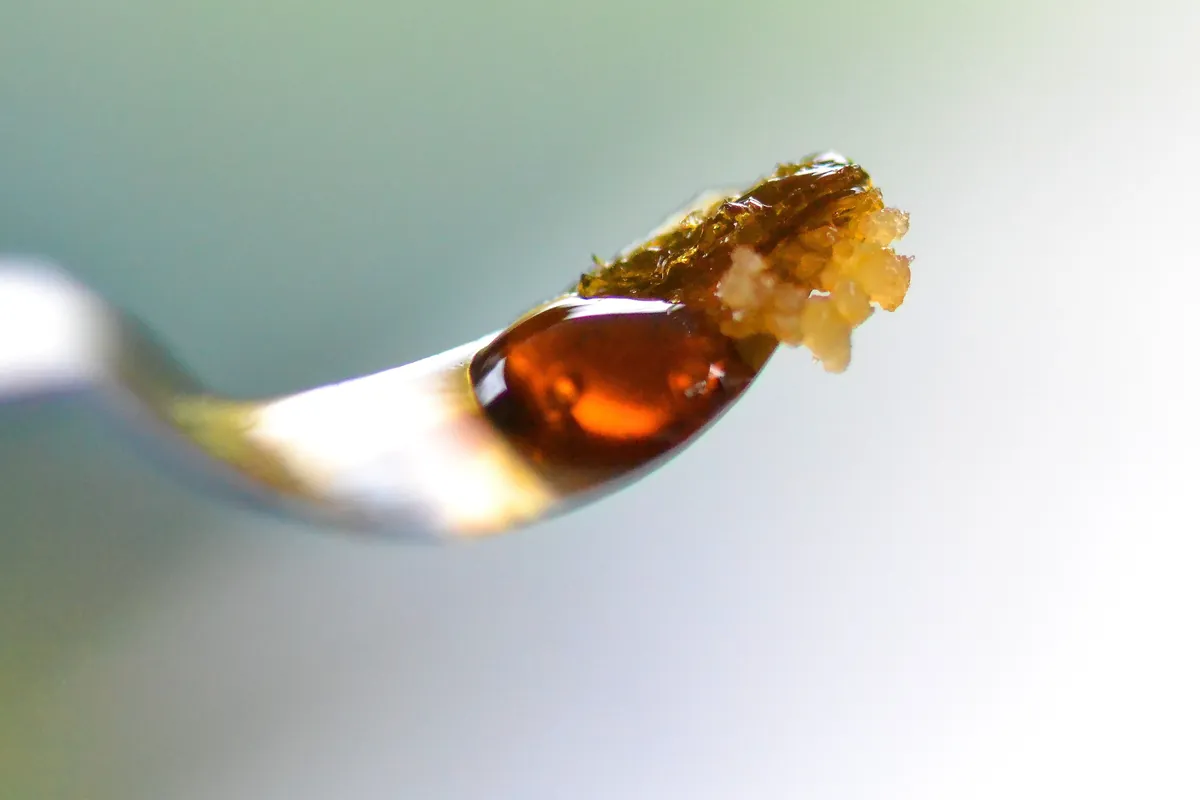
Extraction converts the flower into products such as hash, resin or concentrated oils rich in cannabinoids and aromatic terpenes. Understanding this process helps growers cultivate with the end goal in mind.
At Cannabis Vanguard, innovation & science by Excellent Nutrients, we explore the science behind extraction and concentrates. We review which agronomic decisions directly impact the final result.
This article connects cultivation with the processing industry, which is increasingly professionalized and demanding in terms of raw material quality. This relationship is key for growers who sell to specialized extractors.
We will cover everything from the most common extraction methods to the crop variables that determine concentrate yield. Each section provides information applicable from the next cycle.
We also include the most common mistakes that reduce extraction quality or yield without the grower even noticing. Knowing them in advance protects the value of the entire harvest.
Each section combines a technical explanation of the process with concrete, applicable agronomic recommendations. This practical structure makes it easy to make decisions from the very first day of the cultivation cycle.
Beyond the technical side, there is a simple business case here too. Growers who understand the extraction market can price and position their flower far more effectively than those treating it as a single undifferentiated product. The commercial conversation therefore starts with a shared understanding of the intended product. Buyer and supplier need to mean the same thing when discussing quality, consistency and suitability, rather than relying on an attractive appearance alone.
The most common cannabis extraction methods in the industry
Dry ice or dry sieving extraction separates trichomes through friction and cold. However, this method depends heavily on the quality of the starting plant material.
Extraction with hydrocarbons such as butane or propane dissolves cannabinoids and terpenes with great efficiency and speed. It requires certified equipment and strict safety protocols due to the risk of handling flammable solvents.
Rosin, obtained through heat and pressure without solvents, has gained considerable popularity for its profile, considered cleaner by many. Many premium markets particularly value products labeled as solventless.
Supercritical CO2 extraction allows very precise control of temperature and pressure throughout the entire process. This technique is used in pharmaceutical production and in markets with stricter regulation.
Each extraction method favors different cannabinoid and terpene profiles in the final product. This variability explains why the choice of method must align with the intended commercial objective. The same raw material may be assessed differently by different buyers because each is working towards a particular product. Recognizing those differences helps explain why a universal definition of premium quality can be misleading.
Some laboratories combine several methods sequentially to maximize both yield and purity of the final extract. Combining techniques is increasingly common in larger scale operations.
What determines extraction yield starting from the crop
The density and size of trichomes directly influence the final yield obtained per kilo of processed flower. Maximizing trichome production during cultivation directly benefits this later stage.
Genetics specifically selected for high resin production offer notably superior extraction yields in the laboratory. This genetic selection is as important as the agronomic management of the entire cycle itself.
A crop with stress or poor management reduces both the quantity and quality of trichomes available at the end of the cycle. Good cultivation practices directly affect the commercial value of the material obtained.
The optimal harvest moment, determined by trichome maturity, affects both the cannabinoid profile and extraction yield. This harvest window is critical for maximizing the final result.
The plant’s overall health status during the cycle also conditions the quality of the trichomes available at the end. Effective integrated pest management indirectly affects the extraction result.
Post harvest and its impact on concentrate quality
Immediate freezing after harvest, known as fresh frozen, preserves terpenes that would otherwise be lost during conventional drying. However, this method requires specific freezing equipment and careful logistics.
This process is especially valued for producing rosin and high end ice water extractions. Many premium producers invest specifically in this post harvest infrastructure.
Well executed traditional drying and curing also produces quality raw material for extraction. Both paths are valid depending on the intended final product.
Poor post harvest management can degrade volatile terpenes even before reaching the extraction process. This loss is irreversible and directly affects the final concentrate’s aromatic profile.
Storage temperature and humidity prior to extraction also influence the progressive degradation of volatile compounds. Minimizing the time between harvest and processing notably improves the final result obtained.
Plant nutrition oriented towards resin production
Balanced nutrition during late flowering maximizes the production and maturation of resinous trichomes. This phase deserves special attention in crops destined for extraction.
Phosphorus and potassium, in appropriate proportions, favor resin synthesis during the final weeks of the cycle. Careless nutritional management at this stage limits the crop’s genetic potential.
Excess nitrogen during late flowering can reduce resin production in favor of vegetative development. Adjusting the nutritional ratio at this stage is decisive for the final result.
Some specific biostimulants activate metabolic pathways related to essential oil and resin production. This activation translates into higher extraction yield measurable in the laboratory.
Calcium and silicon give a more resistant cell structure, which makes fresh handling of the flower easier. This advantage is especially relevant for techniques such as fresh frozen or rosin.
Advanced plant nutrition programs for concentrate production
At Excellent Nutrients we develop advanced plant nutrition strategies specifically oriented towards maximizing resin and terpene production. Each program adapts to the crop’s final objective.
These programs combine macronutrients, micronutrients and biostimulants in proportions that prioritize material quality for extraction. They consider the extraction method planned by the end client.
Well calibrated nutrition during the final weeks favors both the yield and the organoleptic quality of the concentrate obtained. This strategy directly improves the commercial value of the harvest.
Unbalanced nutrition at this stage can compromise weeks of prior agronomic work ahead of extraction. Fine tuning doses is especially critical during late flowering.
Practical cases by commercial destination of the flower
For high end rosin production, prioritizing resinous genetics together with fresh frozen notably maximizes the final result obtained. However, this approach requires close coordination between cultivation and processing from the outset.
For large scale hydrocarbon extraction, yield per kilo usually matters more than a specific terpene profile. The nutrition strategy can lean more towards volume than towards specific aromatic nuances.
For pharmaceutical markets using supercritical CO2 extraction, batch to batch analytical consistency is more important than maximum possible yield. This consistency demands very standardized and rigorously documented cultivation and nutrition protocols.
Each commercial destination requires a different agronomic strategy from the early stages of cultivation. Defining the final objective before designing the nutrition program is essential.
Analysis and quality control of raw material
Measuring trichome content and maturity level before deciding on the extraction method improves processing planning. This prior evaluation should be part of the standard protocol of any serious operation.
A cannabinoid and terpene profile analysis prior to extraction allows the expected result in the final product to be anticipated. This information is especially valuable when working with multiple genetics or batches.
Documenting the origin and agronomic management of each batch destined for extraction facilitates full traceability of the final product obtained. This documentation is increasingly demanded by professional buyers and regulated markets. Traceability also supports continuity when staff, buyers or processing partners change. A properly documented batch history preserves the context behind the material, making it easier to explain previous results and maintain a consistent commercial conversation. This does not replace laboratory assessment; it gives that assessment a clearer connection to the origin of the product and the expectations clearly agreed between the parties involved.
Comparing extraction results between different batches with different agronomic management provides valuable information for future cultivation campaigns. This feedback turns every cycle into an opportunity for continuous improvement of the cultivation program. Records also give the two teams a common language for discussing outcomes. Instead of attributing every difference to one isolated cause, they can examine the history of each batch and distinguish observations from assumptions about its commercial performance.
Common mistakes that affect extraction results
Many growers optimize only flower weight without considering its real suitability for subsequent laboratory extraction. However, these objectives do not always align within the same management strategy.
Harvesting outside the optimal trichome maturity window reduces both the yield and the final quality of the concentrate. Monitoring maturity with a magnifying glass is as important for extraction as it is for flower sales.
Careless post harvest management can ruin weeks of good agronomic work ahead of extraction. Both phases must be planned with the same level of technical rigor.
Not communicating the harvest’s final destination to the cultivation team limits the ability to optimize the nutrition program. Such communication deserves the same attention as any other technical aspect of the process.
The lack of communication between cultivation and processing is usually the root cause of many of these mistakes. This disconnect is especially costly in vertically integrated operations, where both teams should work as one. Clear responsibilities help avoid misunderstandings at the handover between departments. Everyone involved should understand what information accompanies the material and how results will be communicated back, so that the final assessment reaches the people responsible for earlier decisions.
Failing to adjust the extraction protocol according to observed variations between batches limits the return on prior agronomic work. This rigidity in processing wastes part of the genetic and nutritional potential already invested in cultivation.
Emerging trends in extraction and concentrate quality
Interest in solventless products keeps growing among consumers who value profiles considered more natural and traceable. This trend is pushing more growers to specifically orient their agronomic management towards this objective.
Demand for full spectrum products, with a profile closer to the plant’s original one, keeps increasing. This preference reinforces the importance of a well nourished crop from start to harvest.
Some regulated markets already require detailed analytical profiles and full traceability from seed to final packaged product. Agronomic documentation has become a commercial asset as valuable as the product itself.
The automation of certain extraction processes is enabling much greater consistency between batches, something especially valued by industrial buyers. This consistency, however, still ultimately depends on homogeneous, well managed raw material coming from cultivation.
Conclusion: towards cannabis production designed from start to finish
The quality of a concentrate is decided long before it reaches the extraction laboratory. However, few growers integrate this perspective from the initial design of the crop.
Growers who align genetics, nutrition and post harvest with the flower’s final destination obtain more consistent results. Defining the commercial objective from the start makes the final difference.
Advanced nutrition acts as the foundation on which all subsequent extraction potential is built. This integrated vision will continue to shape professional cannabis cultivation in the coming years.
The gap between cultivation and the extraction laboratory keeps narrowing in the best managed professional operations. This growing integration benefits both the grower, who gets better prices for superior material, and the processor, who reduces losses and variability. The broader lesson is organizational as well as technical: cultivation and processing form parts of the same value chain. Their commercial relationship works better when expectations are explicit and quality is discussed using information that both sides can interpret.
Thinking about the product’s final destination from the very first irrigation is no longer just for large vertical operations. Any grower, regardless of scale, can apply this same logic starting today.
From Cannabis Vanguard, innovation & science by Excellent Nutrients, we will continue exploring how technology, science and innovation are redefining cannabis production and quality in a rapidly evolving industry.